Manual of Gainful Exercise 5e: Article Plan (01/09/2026 10:07:20)
This manual blends Dungeons & Dragons 5e with real-world fitness, offering a unique approach to character progression and player engagement through exercise․
Gainful Exercise transforms D&D into an active experience, linking in-game actions to physical activity, fostering both character and player well-being through immersive fitness․
The Concept of Gainful Exercise
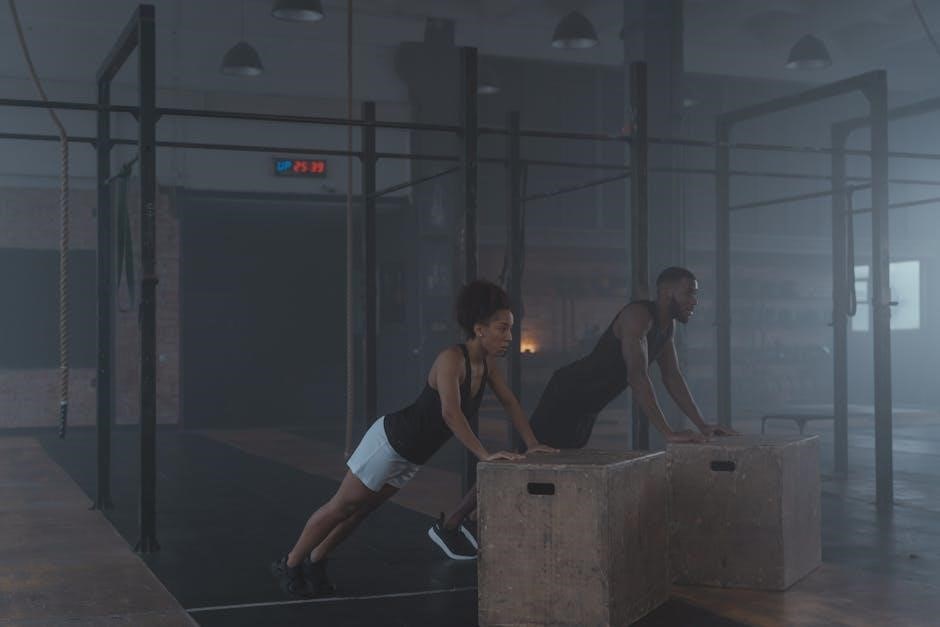
Gainful Exercise reimagines tabletop roleplaying, moving beyond mental engagement to incorporate physical activity directly into the Dungeons & Dragons 5e experience․ It’s built on the premise that a character’s actions – attempting a climb, enduring a forced march, or meticulously searching a room – can be mirrored by the player performing corresponding exercises․
This isn’t simply about adding push-ups between turns; it’s about thoughtfully linking in-game challenges to real-world movements, creating a synergistic relationship between the fantasy world and the player’s physical state․ The core idea is to reward effort and dedication both within the game and in real life, fostering a healthier and more immersive hobby experience․ Imagination fuels the adventure, and fitness enhances it․
Why Integrate Fitness with D&D?
Combining Dungeons & Dragons with fitness addresses a common challenge: the sedentary nature of tabletop gaming․ Many players spend hours seated, potentially neglecting physical well-being․ Gainful Exercise offers a solution, transforming downtime into opportunities for movement and activity․
Furthermore, it deepens immersion and roleplaying․ Physically embodying a character’s struggles – the strain of a long journey, the precision of a stealthy maneuver – enhances the connection to the game world; It also introduces a novel layer of reward; character progression isn’t solely dependent on dice rolls, but also on personal effort․ This fosters a more engaging and fulfilling hobby, appealing to both mind and body․
Core Mechanics of Gainful Exercise
The system links in-game actions to real-world exercises, utilizing intensity levels and progress tracking to influence character abilities and campaign outcomes․
Linking Actions to Real-World Exercises
This core mechanic establishes a direct correlation between a character’s in-game actions and specific physical exercises performed by the player․ For example, a successful Athletics check representing climbing a cliff could be tied to performing a set number of pull-ups or wall sits․ Similarly, dodging an attack with a Dexterity (Acrobatics) check might translate to completing burpees or agility ladder drills․
The key is to select exercises that thematically align with the D&D action․ A Wizard’s Arcana check, requiring mental acuity, could involve focused breathing exercises or a timed puzzle․ This isn’t simply about arbitrary exercise; it’s about embodying the character’s actions physically, enhancing immersion and providing a tangible benefit within the game․

Defining Exercise Intensity Levels
To ensure fairness and scalability, we categorize exercises into three intensity levels: Low, Medium, and High․ Low intensity involves activities like walking or light stretching, granting minor bonuses – perhaps advantage on a skill check․ Medium intensity, such as jogging or bodyweight exercises, provides more substantial benefits, like temporary hit points or increased movement speed․
High intensity, encompassing strenuous activities like sprinting or heavy lifting, unlocks significant advantages, potentially including a critical success on an ability check or a short-term boost to a core attribute․ These levels are adaptable to individual fitness levels, allowing players of all abilities to participate meaningfully․
Tracking Exercise Progress within the Game
We propose a ‘Fitness Score’ alongside traditional character stats, representing overall physical conditioning․ This score increases with consistent exercise, tracked via a simple log – perhaps a dedicated section on the character sheet or utilizing online tools like D&D Beyond․
Progress isn’t solely linear; plateaus and setbacks are realistic․ The Fitness Score influences the magnitude of bonuses received from exercises, and unlocks new abilities or advantages as it grows․ Regular ‘Fitness Checks’ – simple DC rolls – can determine if a character maintains their level, encouraging continued real-world activity․
Exercise Categories & Corresponding D&D Actions
Categorizing exercises by D&D actions – Strength to Athletics, Dexterity to Acrobatics, Constitution to Endurance – creates a direct link between fitness and gameplay․
Strength Exercises & Athletics Checks
Strength exercises directly correlate with Athletics checks in Dungeons & Dragons 5e․ Activities like squats, deadlifts, push-ups, and overhead presses build the physical power needed for climbing, swimming, jumping, and forcing open doors․
Each successful repetition or set completed can translate into a bonus to an Athletics check․ For example, ten push-ups might grant a +1 bonus to the next Strength (Athletics) check related to a physical feat․
Consider scaling the bonus based on exercise difficulty or weight lifted․ Heavier weights or more challenging variations yield greater benefits within the game, rewarding dedicated physical effort with tangible in-game advantages․
Dexterity Exercises & Acrobatics/Stealth Checks
Dexterity-focused exercises enhance both Acrobatics and Stealth checks within the D&D 5e framework․ Activities like agility drills, plyometrics (jump training), yoga, and balance exercises directly improve a character’s nimbleness and coordination․
Successful completion of these exercises can grant bonuses to relevant checks․ For instance, a set of agility ladder drills could provide a +1 bonus to the next Dexterity (Acrobatics) check involving balance or tumbling․
Stealth benefits from exercises improving body awareness and controlled movement․ Consider rewarding focused breathing exercises with a bonus to Dexterity (Stealth) checks, simulating quiet and deliberate action․
Constitution Exercises & Endurance/Resistance
Constitution, representing health and stamina, directly links to endurance and resistance in D&D 5e․ Exercises like cardio (running, swimming, cycling), calisthenics (push-ups, squats), and sustained isometric holds build physical resilience․
Completing a challenging cardio session could grant advantage on the next Constitution saving throw against exhaustion or poison․ Similarly, a set of bodyweight exercises might temporarily increase hit point maximum by a small amount․
Resistance to damage types can be earned through focused training․ For example, performing a series of exercises simulating bracing against impact could grant resistance to bludgeoning damage for a limited duration․
Intelligence Exercises & Investigation/Arcana
Boosting Intelligence through exercise focuses on mental acuity and problem-solving skills, directly benefiting Investigation and Arcana checks in D&D 5e․ Activities like puzzles (Sudoku, crosswords), memory games, and learning new skills stimulate cognitive function․
Successfully completing a complex puzzle could grant advantage on the next Investigation check related to deciphering clues or finding hidden objects․ Studying a new subject, like a historical text, might provide a bonus to an Arcana check concerning ancient lore․
Mental endurance exercises, such as focused meditation, could temporarily increase the character’s ability to concentrate, resisting distractions during spellcasting․

Implementing Gainful Exercise in Your Campaign
Seamlessly integrate fitness into your D&D 5e game, fostering player buy-in and tailoring challenges to individual fitness levels for an immersive experience․
Campaign Integration Strategies
Weaving Gainful Exercise into your campaign requires thoughtful planning․ Consider framing physical challenges as necessary for quest completion – perhaps scaling a cliff (requiring squats and lunges) or enduring a forced march (cardio intervals)․ Tie exercise directly to skill checks; a successful Athletics check after a strength routine could grant advantage on a grapple attempt․
Introduce NPCs who are renowned for their physical prowess and offer training, linking it to specific exercises․ Reward consistent exercise with temporary buffs or inspiration․ Remember to emphasize the narrative connection; don’t just say “do 20 push-ups,” but rather, “your character rigorously trains, preparing for the arduous climb ahead․” Utilize downtime activities for focused fitness sessions, enhancing character development beyond combat․
Player Buy-In and Motivation
Securing player participation is crucial for success․ Clearly explain the benefits – not just in-game advantages, but also real-world health improvements․ Frame it as collaborative character building, where physical effort translates to tangible power․ Offer varied exercise options to accommodate different fitness levels and preferences․
Avoid forcing participation; instead, present it as an optional, rewarding system․ Consider a group challenge with collective rewards, fostering camaraderie․ Tie exercise to character backstories – a warrior’s rigorous training, a rogue’s agility drills․ Celebrate achievements, both in-game and out, creating a positive feedback loop․ Emphasize fun and inclusivity, making fitness an enjoyable part of the D&D experience․
Adjusting Difficulty Based on Fitness Levels
Scaling challenges to individual fitness is paramount for fairness and engagement․ Implement a tiered system where exercise intensity directly correlates to in-game bonuses or difficulty modifiers․ Beginners might receive smaller benefits for simpler exercises, while advanced players tackle more demanding routines for greater rewards․
Allow players to choose exercises aligned with their capabilities, avoiding discouragement․ Offer alternative exercises for those with limitations․ The Dungeon Master should be flexible, adjusting encounter difficulty based on the group’s overall fitness level․ Consider “handicaps” for exceptionally fit players to maintain balance and ensure everyone feels challenged, but not overwhelmed․
Specific Exercise Routines for D&D Classes
Tailored routines enhance class immersion, linking character abilities to physical training; each class benefits from focused exercises for optimal gameplay․
Barbarian: High-Intensity Strength Training
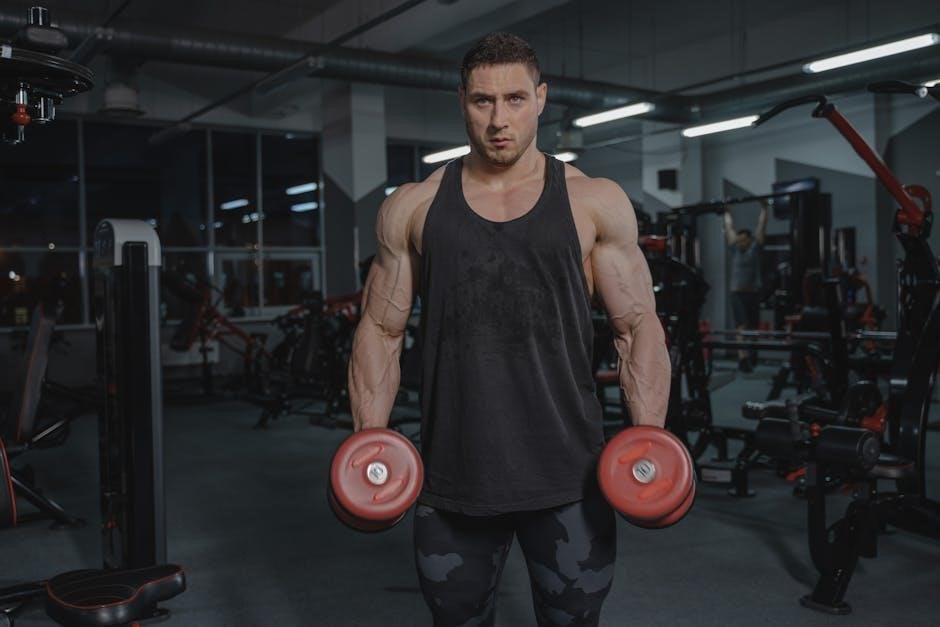
Barbarians embody raw physical power, demanding a workout mirroring their ferocious nature․ This routine focuses on explosive strength and endurance, translating directly into in-game prowess․ Incorporate exercises like heavy deadlifts, simulating the heft of a great axe, and power cleans to represent devastating strikes․
Include plyometrics – box jumps and burpees – to mimic the Barbarian’s relentless charge․ Don’t neglect grip strength; farmer’s walks and towel pull-ups are essential․ A circuit of these exercises, performed with intensity, will enhance Athletics checks and fuel rage-fueled combat․ Remember to prioritize proper form to avoid injury, channeling the Barbarian’s controlled fury into effective training․
Rogue: Agility and Flexibility Focus
Rogues thrive on finesse and precision, requiring a fitness regimen centered around agility, flexibility, and core strength․ This translates to improved Acrobatics and Stealth checks․ Begin with dynamic stretching, preparing muscles for swift movements․ Incorporate exercises like parkour-inspired drills – vaulting over obstacles and navigating tight spaces – to enhance agility․
Focus on core work: planks, Russian twists, and leg raises build stability for silent movement and precise attacks․ Yoga and Pilates improve flexibility, aiding in contorting through narrow passages․ Interval training, mimicking bursts of speed during chases, is crucial․ Prioritize balance and coordination for successful infiltration and evasion․
Wizard: Mental Endurance and Core Stability
Wizards demand both mental fortitude and physical resilience, as spellcasting can be taxing․ Focus on exercises that enhance concentration and core stability․ Begin with mindfulness practices – meditation and deep breathing – to improve focus during complex spellcasting sequences․ Core exercises, like Pilates and planks, are vital for maintaining posture during prolonged study and spell invocation․
Incorporate isometric exercises to build static strength, mirroring the sustained concentration required for spell control․ Low-impact cardio, such as brisk walking, improves blood flow to the brain, boosting cognitive function․ Regular stretching prevents stiffness from hours spent poring over ancient tomes․
Cleric: Balanced Strength and Stamina
Clerics require a blend of physical strength for wielding holy symbols and enduring stamina for long journeys and divine service․ A balanced routine is key․ Incorporate moderate weightlifting – focusing on functional movements like squats and rows – to build strength․ Endurance training, such as jogging or cycling, enhances stamina for extended healing sessions and battles․
Yoga and Pilates improve flexibility and balance, crucial for maintaining composure during stressful situations․ Consider interval training to simulate the bursts of energy needed for channeling divine power․ Remember to include active recovery days with light stretching and walking to prevent burnout and promote overall well-being․

Advanced Gainful Exercise Rules
These rules introduce complexities, like critical success bonuses from intense workouts, exercise-induced fatigue penalties, and long-term fitness impacting character growth․
Critical Successes & Bonus Effects
Achieving a critical success in a linked exercise unlocks potent in-game benefits․ This occurs when a player significantly exceeds the target repetitions or intensity level for a given exercise․ For example, surpassing the rep goal on strength exercises could grant advantage on the next Athletics check, simulating a surge of adrenaline and physical power․
Dexterity-based exercise criticals might bestow a bonus to AC or a heightened chance to land a sneak attack, reflecting improved reflexes and agility․ Constitution successes could temporarily increase hit points or resistance to poison․
Furthermore, consider awarding inspiration points for exceptional effort, allowing players to creatively apply these bonuses during crucial moments․ These bonus effects should be impactful but balanced, encouraging consistent effort without overshadowing core gameplay mechanics․
Exercise-Induced Fatigue & Penalties
Just as exertion impacts a character in-game, real-world exercise should introduce manageable fatigue․ Failing to meet minimum exercise targets, or pushing too hard without proper rest, results in temporary penalties․ These could manifest as disadvantage on specific ability checks related to the exercised attribute – a failed strength routine might hinder Athletics checks․
More intense overexertion could impose a temporary reduction to movement speed or even inflict a level of exhaustion, mirroring the consequences of strenuous activity․
However, penalties shouldn’t be overly harsh, aiming to encourage participation rather than discourage it․ Implement a recovery system, allowing characters to regain stamina through in-game rest or restorative activities․
Long-Term Fitness Progression & Character Growth
Consistent exercise should translate into tangible character benefits beyond immediate bonuses․ Implement a system where accumulated “fitness points,” earned through tracked workouts, unlock minor, permanent attribute improvements․ These could be small increases to maximum hit points, proficiency bonuses on relevant skills, or resistance to specific conditions․
Consider allowing players to “specialize” their fitness, focusing on areas aligned with their character class – a Barbarian might gain increased rage damage, while a Wizard improves concentration checks․
This long-term progression fosters a sense of accomplishment and reinforces the connection between real-world effort and in-game power․
Resources and Tools
Leverage D&D Beyond and online trackers to streamline exercise logging, character integration, and campaign management for a seamless gainful exercise experience․
D&D Beyond Integration Possibilities
Imagine a future where D&D Beyond dynamically adjusts character stats based on logged real-world exercise! This integration could utilize a custom API to link exercise data – steps, reps, duration – to in-game benefits․ Players could earn temporary bonuses to ability checks mirroring their physical exertion․
Furthermore, a dedicated “Fitness Log” section within character sheets could track progress, displaying visual representations of gains․ Challenges could be created, rewarding players for achieving fitness goals with unique cosmetic items or minor magical enhancements․ The platform could even suggest exercises tailored to a character’s class and playstyle, fostering a holistic and engaging experience․ Ultimately, D&D Beyond could become a central hub for managing both the fantasy and fitness aspects of Gainful Exercise․
Character Sheet Modifications
Traditional character sheets lack space for tracking fitness progress․ Therefore, modifications are crucial․ We propose adding sections for “Exercise Log,” detailing completed workouts and intensity levels․ A “Fitness Score” – separate from ability scores – could represent overall physical condition, influencing certain checks․
Dedicated fields for tracking exercise-specific stats (e․g;, Strength Training Level, Agility Score) are also vital․ Visual indicators, like progress bars, could showcase improvement․ Consider incorporating a “Fatigue” tracker, reflecting exertion’s impact on performance․ Printable sheets and digital templates, compatible with popular VTTs, will ensure accessibility․ These changes transform the sheet into a holistic record of both heroic deeds and physical prowess․
Online Exercise Trackers for D&D Groups
Coordinating fitness challenges within a D&D group requires dedicated tools․ Existing fitness apps (Fitbit, Strava) can be adapted, but lack D&D integration․ We envision a custom platform allowing players to log exercises, linking them to in-game actions․
This tracker would feature group challenges, leaderboards, and reward systems tied to character advancement․ Integration with D&D Beyond is ideal, automatically applying bonuses based on tracked activity․ Features like shared workout plans and motivational messaging foster camaraderie․ A mobile app ensures accessibility․ Such a platform streamlines tracking, encourages participation, and enhances the immersive experience of Gainful Exercise․