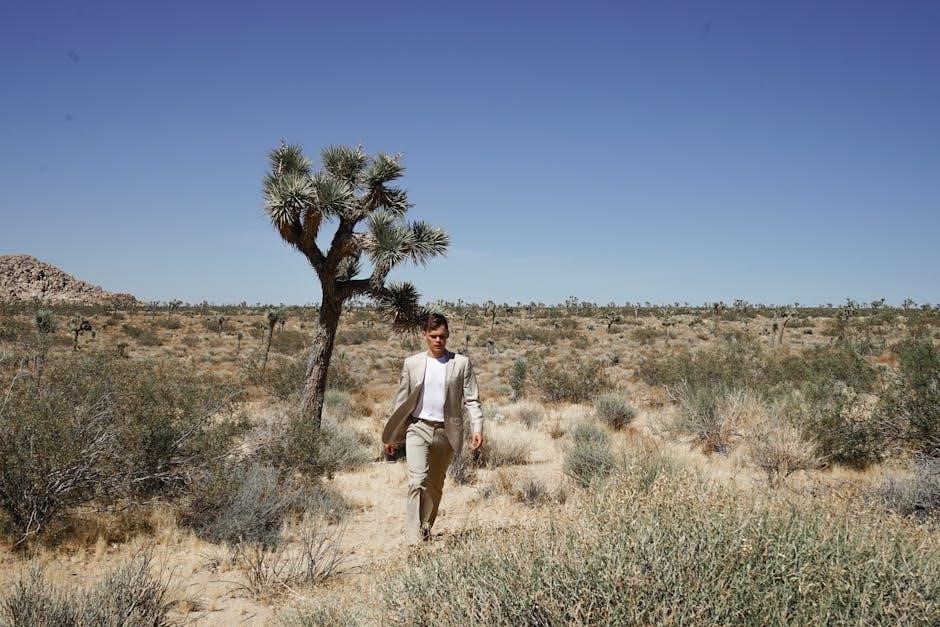
Joshua Tree Climbing Guidebook: A Comprehensive Plan
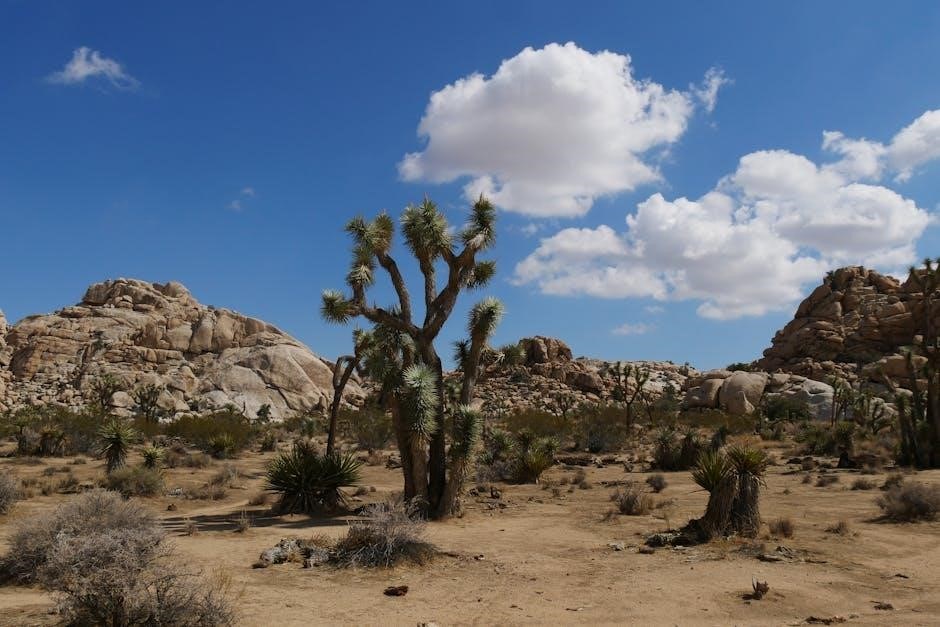
This guidebook, updated for 2026, details Joshua Tree’s climbing, encompassing routes, safety, and ethics.
It references AllClimb resources and guides like Cliffhanger, ensuring a premier experience.
Joshua Tree National Park stands as a world-renowned climbing destination, attracting adventurers with its unique geological formations and diverse climbing styles. This guide serves as an introduction to the park’s climbing opportunities, catering to all skill levels – from complete beginners to seasoned professionals. The park’s popularity is reflected in resources like AllClimb and guided services such as Cliffhanger Guides, highlighting the demand for expert instruction and safe exploration.
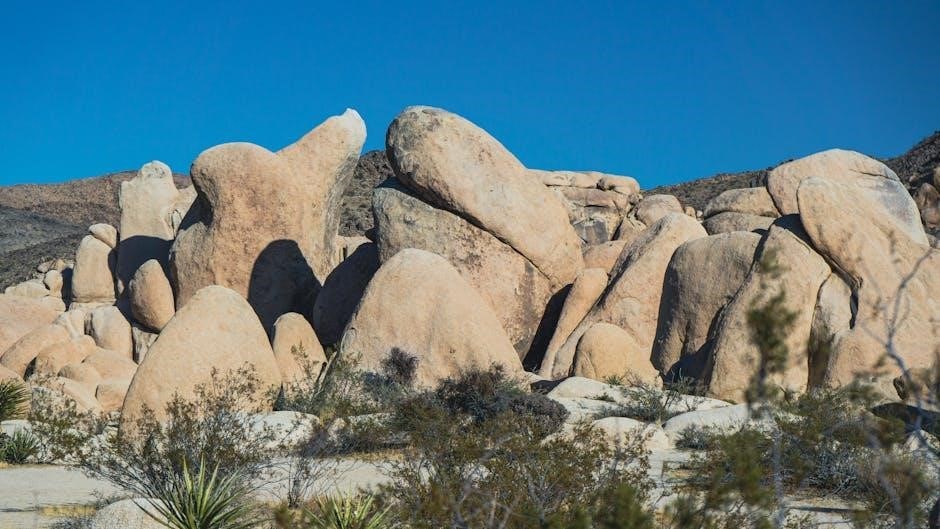
Whether you’re interested in bouldering amongst the iconic Joshua Trees, tackling challenging sport climbs, or embracing the traditional crack climbing the park is famous for, this guidebook provides essential information. It’s a place where the spirit of rock ‘n’ roll, much like Elvis Presley’s energy, meets the rugged beauty of the desert landscape, offering an unforgettable climbing experience.
History of Climbing in Joshua Tree
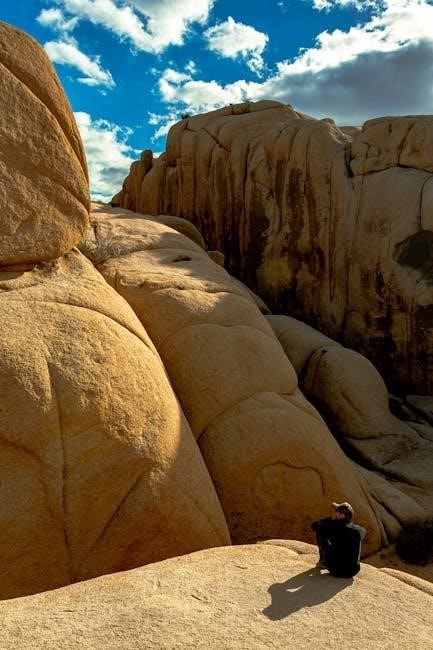
The history of climbing in Joshua Tree is deeply intertwined with the evolution of rock climbing itself. While precise origins are difficult to pinpoint, climbing gained traction in the mid-20th century, mirroring the rise of rock ‘n’ roll – a cultural shift akin to the adventurous spirit embraced by early climbers. Early pioneers, drawn to the park’s unique granite formations, began establishing routes, laying the foundation for the diverse climbing landscape we see today.
Over decades, the park has hosted generations of climbers, each contributing to its rich climbing history; The increasing popularity, evidenced by resources like AllClimb and the availability of guide services, reflects a growing appreciation for this iconic climbing area. Like Elvis Presley’s impact on music, Joshua Tree has become a cornerstone of the climbing world.
Geology and Rock Types
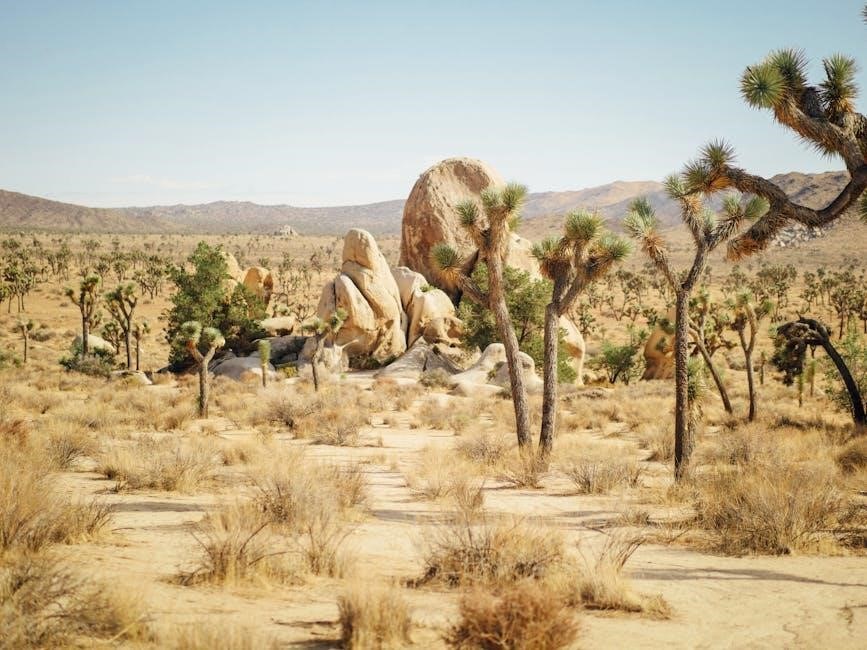
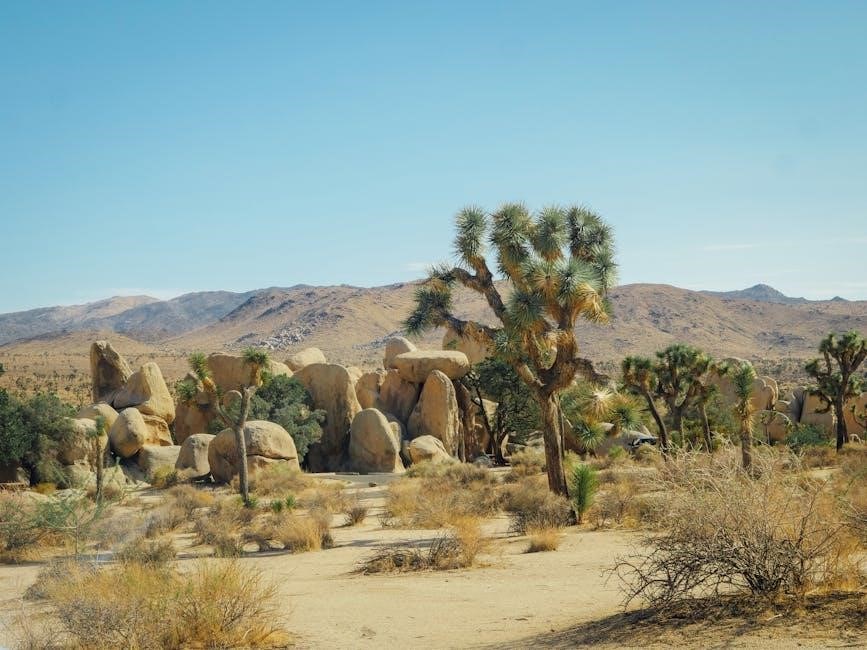
Joshua Tree’s distinctive climbing terrain is a direct result of its unique geological history. The park’s iconic rock formations are primarily composed of granite, formed from the slow cooling of magma deep beneath the Earth’s surface. This granite exhibits a variety of textures and features, including cracks, flakes, and rounded domes, creating diverse climbing challenges.
Millions of years of weathering and erosion have sculpted these granite formations into the captivating landscape climbers enjoy today. The rock’s composition and structure influence route development, demanding varied techniques. Understanding the geology, much like appreciating the roots of rock ‘n’ roll, enhances the climbing experience and promotes responsible interaction with this natural environment.
Popular Climbing Areas
Joshua Tree National Park boasts numerous world-class climbing areas, catering to all skill levels. Hidden Valley Campground is a perennial favorite, offering a high concentration of routes and a lively atmosphere. Intersection Rock, known for its aesthetic lines and challenging climbs, draws experienced climbers. The Ryan Mountain Area provides a more secluded experience with longer, multi-pitch routes.
Beyond these hotspots, areas like Lost Horse Valley offer stunning scenery alongside excellent climbing. Exploring these diverse locations requires careful planning and awareness of desert conditions. Remember, responsible exploration, akin to respecting Elvis’s legacy, ensures these areas remain pristine for future generations of climbers.
Hidden Valley Campground Area
Hidden Valley is arguably Joshua Tree’s most popular climbing destination, famed for its accessibility and high density of routes. This area provides a fantastic introduction to the park’s unique granite formations, with options ranging from beginner-friendly slabs to challenging cracks. Expect crowds, especially during peak season, mirroring the fervent fanbase of Elvis Presley.
The campground itself offers convenient access to climbing, but reservations are essential; Numerous established routes cater to sport and traditional climbing styles. Remember to practice Leave No Trace principles, preserving the valley’s beauty, much like preserving the King’s musical heritage.
Intersection Rock
Intersection Rock is a prominent landmark and climbing hub, easily identifiable by the multiple roads converging at its base. This area boasts a diverse range of climbs, appealing to all skill levels, from novices taking their first steps to seasoned climbers seeking challenging multi-pitch routes. The rock’s texture and features demand varied techniques, mirroring the diverse influences on rock and roll.
Expect moderate crowds, though generally less congested than Hidden Valley. It’s a fantastic spot for both bouldering and roped climbing. Remember to be mindful of hikers exploring the Lost Horse loop trail nearby, and always prioritize safety, much like Elvis Presley prioritized his performances.
Ryan Mountain Area
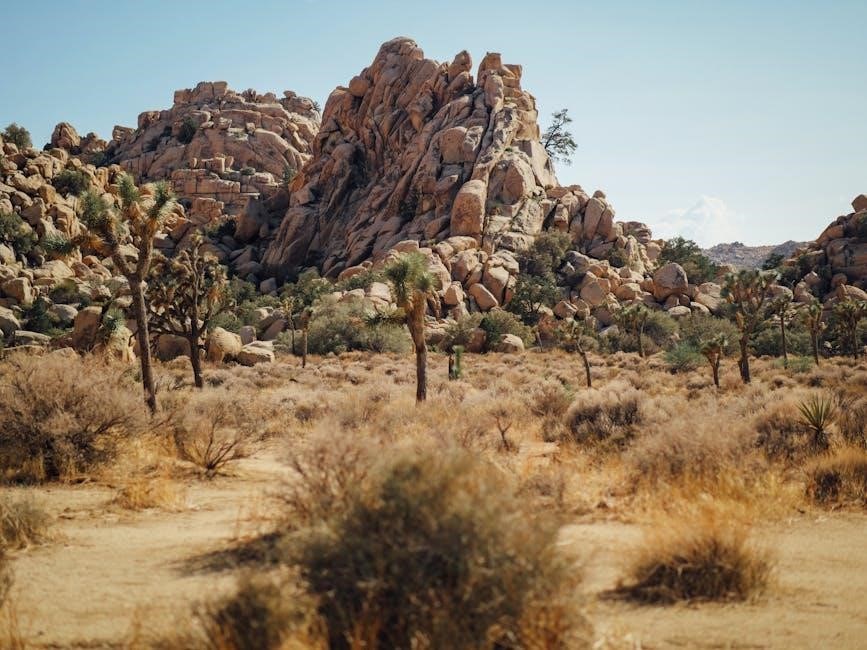
The Ryan Mountain area presents a more secluded climbing experience, offering a quieter alternative to the busier hubs. While known for its challenging hiking trail – a 6.5-mile loop favored by many – it also features excellent rock climbing opportunities, though less extensively documented than other areas. The terrain is stunning, providing a backdrop reminiscent of the landscapes inspiring artists like Elvis Presley.
Climbs here tend to be longer and more sustained, requiring good endurance. Be prepared for a bit of a hike to reach some crags. This area is ideal for those seeking solitude and a more adventurous climbing experience, mirroring the spirit of exploration found on trails like the John Muir Trail.
Climbing Grades and Systems
Joshua Tree primarily utilizes the Yosemite Decimal System (YDS) for grading climbs. This system combines a class rating (1-5) with a difficulty level within each class, indicated by a number. For example, 5.10a is easier than 5.10d. Bouldering problems are graded using the V-scale (V0 being the easiest, progressing upwards). Understanding these systems is crucial for selecting appropriate routes.
Grading can be subjective, and Joshua Tree’s unique rock – often polished and with sparse holds – can make climbs feel harder than their YDS rating suggests. Always research routes and consider your skill level. Resources like AllClimb provide detailed route information and user feedback, aiding in accurate assessment.
Types of Climbing in Joshua Tree
Joshua Tree offers a diverse climbing experience, encompassing bouldering, sport climbing, and traditional (trad) climbing. Bouldering is incredibly popular, with thousands of problems concentrated in areas like Hidden Valley and Intersection Rock, requiring crash pads for safety. Sport climbing features bolted routes, ideal for climbers with less experience in placing protection.
However, Joshua Tree is renowned for its trad climbing, demanding proficiency in crack climbing techniques and gear placement. Many routes require extensive racks of cams and nuts. Choosing the right style depends on your skill level and preference. Guide services, like Cliffhanger Guides, can provide instruction in all disciplines.
Bouldering
Bouldering in Joshua Tree is world-class, boasting a massive concentration of problems across various grades. Areas like Hidden Valley Campground and Intersection Rock are hotspots, offering everything from beginner-friendly slabs to challenging overhanging lines. A crash pad is absolutely essential for safe bouldering, protecting against falls onto the rocky terrain.
The unique granite formations provide friction and diverse movement. Many problems involve stemming, palming, and intricate footwork. Expect to encounter a vibrant bouldering community and a strong “send” culture. Remember to brush holds and respect the rock – leave no trace of your session!
Sport Climbing
Joshua Tree’s sport climbing offers a diverse range of routes, though it’s less prevalent than traditional climbing. Areas like Echo Cove and certain sections of Hidden Valley feature bolted lines, catering to various skill levels. Expect shorter routes, often characterized by technical face climbing and powerful moves on the unique Joshua Tree granite.
Quickdraws are essential for clipping bolts, and a dynamic rope is recommended for the often-complex route lines. While sport climbing provides a more secure experience than trad, careful route finding and proper belay technique remain crucial. Always double-check bolt placements and be aware of potential rockfall.
Traditional Climbing (Trad)
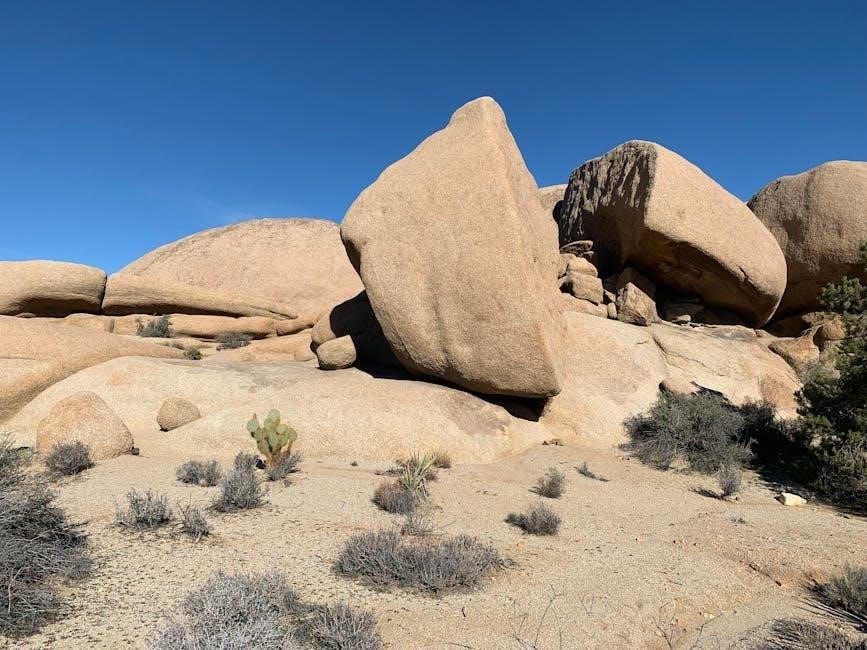
Joshua Tree is renowned as a world-class traditional climbing destination. The park boasts thousands of crack climbs, ranging from easy scrambles to challenging multi-pitch adventures. Expect a variety of crack sizes and styles, demanding a comprehensive rack of cams and nuts. Route finding skills are paramount, as many lines are not immediately obvious.
Placing solid protection is critical for safe trad climbing in Joshua Tree. Thoroughly assess each placement before committing your weight. Experienced climbers often recommend double-checking placements and utilizing redundant gear. Be prepared for runouts between placements, and always practice safe anchor building techniques.
Essential Climbing Gear
A successful Joshua Tree climbing trip demands careful gear selection. Beyond the basics – harness, helmet, and climbing shoes – specific equipment is crucial. A full rack of cams (sizes ranging from micro to #4 Camalot) and a set of nuts are essential for trad climbing, the park’s dominant style. Quickdraws are needed for sport routes, and a 70m rope provides versatility for most climbs.
Don’t underestimate the desert environment; bring ample water, sunscreen, and appropriate clothing. A first-aid kit, headlamp, and navigational tools (map, compass, or GPS) are also vital. Consider bringing a lightweight jacket, even in warmer months, as temperatures can drop significantly at night.
Rope Selection
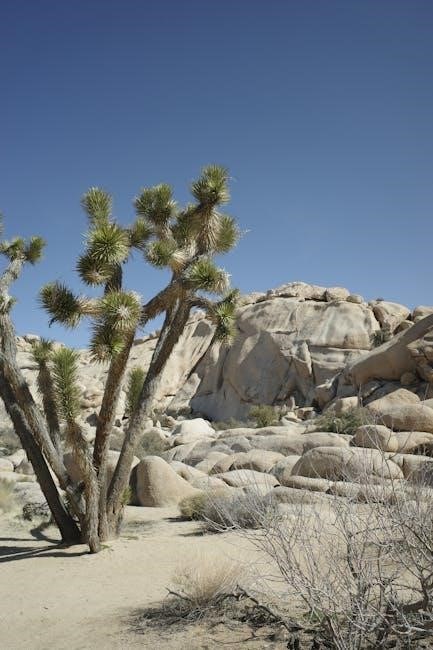
Choosing the right rope for Joshua Tree is paramount for safety and efficiency. A single rope, typically 70 meters in length and 9.5-10mm in diameter, is the most versatile option for the majority of climbs. This length accommodates the park’s often long, wandering routes and allows for comfortable rappels. Dynamic ropes are essential, providing the necessary stretch to absorb fall forces.
Consider a dry-treated rope to resist water absorption, crucial given potential morning dew or unexpected rain. While twin or half ropes offer redundancy, they are less common in Joshua Tree due to the predominantly single-pitch nature of many climbs. Always inspect your rope for damage before and after each use.
Quickdraws and Carabiners
Essential for sport climbing and often useful on trad routes, quickdraws streamline the clipping process. Invest in a rack of at least 15-20 quickdraws, with a mix of lengths to navigate Joshua Tree’s varied rock formations. Bent-gate carabiners on the rope-end are preferred for easier clipping. Ensure carabiners are locking, especially for anchors and belay setups.
Lightweight quickdraws reduce overall weight, but prioritize durability. Regularly inspect carabiner gates for smooth operation and any signs of wear. Consider extending quickdraws with slings to reduce rope drag on wandering routes. Proper quickdraw placement minimizes rope friction and enhances climbing efficiency.
Protection (Cams, Nuts)
Traditional climbing in Joshua Tree demands a comprehensive rack of protection. Cams (spring-loaded camming devices) excel in the park’s parallel cracks, while nuts (passive chocks) fit into constrictions. A typical rack includes sizes from micro-cams to #4 Camalots, alongside a full set of nuts, offset nuts, and tricams.
Joshua Tree’s unique rock requires careful placement; avoid relying solely on single placements. Always back up cam placements with nuts when possible. Regularly inspect your gear for damage. Understanding crack geometry and proper placement technique is crucial for safe and reliable protection. Consider bringing extending slings for optimal rope angles.
Safety Considerations
Joshua Tree presents unique safety challenges demanding respect and preparation. Desert conditions necessitate awareness of extreme temperatures – scorching heat during summer and surprisingly cold nights in winter. Dehydration is a significant risk; carry ample water and hydrate consistently. Be mindful of desert wildlife, including rattlesnakes and scorpions.
Proper anchor building and rappelling techniques are paramount. Always double-check systems and use backups. Communicate clearly with your climbing partner. Weather can change rapidly; monitor forecasts and be prepared to adjust plans. First aid knowledge and a well-stocked kit are essential for addressing potential injuries.
Weather Conditions
Joshua Tree’s desert climate dictates careful planning regarding weather. Summers are intensely hot, often exceeding 100°F (38°C), making climbing during midday extremely dangerous. Spring and fall offer the most favorable conditions, with moderate temperatures. Winters can be surprisingly cold, with freezing temperatures at night, potentially icing over routes.
Sudden shifts in weather are common. Windstorms can create hazardous conditions, and flash floods are a risk in canyons after rainfall. Always check the forecast before heading out and be prepared for unexpected changes. Monitoring conditions throughout the day is crucial for safe climbing.
Desert Hazards (Heat, Wildlife)
Joshua Tree presents unique hazards beyond typical climbing risks. Extreme heat is a major concern; dehydration and heatstroke are serious threats. Carry ample water – significantly more than you anticipate needing – and drink consistently. Be aware of wildlife, including rattlesnakes, scorpions, and desert tortoises.
Avoid disturbing wildlife and never approach or feed animals. Scorpions can hide in shoes and gear, so shake everything out before use. Rattlesnakes are most active during cooler hours. Long sleeves and pants offer some protection. Be mindful of your surroundings and report any concerning wildlife encounters to park authorities.
Anchor Building and Rappelling
Joshua Tree’s unique rock formations demand meticulous anchor building and rappelling techniques. Traditional placements are common, requiring proficiency in cam and nut placement. Redundancy is crucial; always build anchors with multiple points of protection. Evaluate rock quality carefully, as it can be fractured and unreliable.
When rappelling, use a backup system and ensure your rope is running freely. Be aware of rope drag and potential for rope burns. Double-check your setup with a partner before committing to the rappel. Familiarize yourself with appropriate rappel devices and techniques before attempting any rappels in the park.
Top 20 Classic Climbs
Joshua Tree boasts a wealth of iconic climbs, catering to all skill levels. This selection highlights twenty must-do routes, from beginner-friendly slabs to challenging multi-pitch adventures. Expect a mix of crack, face, and boulder problems, showcasing the park’s diverse climbing styles.
Beginner routes include classics like “Sun Crack” and “Practice Rock.” Intermediate climbers will enjoy “Thin Crack” and “Echo Chamber.” Advanced climbers should tackle “The Nightmare” and “Outer Space.” Remember to check current conditions and route beta before heading out. Enjoy these timeless Joshua Tree experiences!
Beginner Routes
For newcomers to Joshua Tree climbing, several routes offer accessible challenges and rewarding experiences. “Sun Crack” (5.6) provides a straightforward crack climb, perfect for learning technique. “Practice Rock” (5.7) features numerous easy problems, ideal for bouldering and top-roping practice. “Grandpa Peabody” (5.8) is a fun, short climb with good holds.
These routes emphasize foundational skills and build confidence. Always climb with a partner, utilize proper safety gear, and be mindful of your surroundings. Remember to start slowly, focus on technique, and enjoy the unique Joshua Tree environment. These climbs are stepping stones to greater adventures!
Intermediate Routes
Stepping up from beginner climbs, Joshua Tree presents a wealth of intermediate routes demanding more skill and endurance. “Touchstone” (5.9) offers a sustained face climb with tricky moves. “Outer Space” (5.10a) is a classic, slightly overhanging route requiring precise footwork. “The Fin” (5.10b) provides a unique, exposed climb with stunning views.
These routes necessitate solid crack climbing skills, efficient movement, and confident lead climbing. Prior experience with placing protection is crucial for trad routes. Remember to thoroughly assess each climb, manage risk effectively, and climb within your abilities. Enjoy the challenge and the breathtaking scenery!
Advanced Routes
Joshua Tree’s advanced climbs test even seasoned climbers with demanding technical difficulty and sustained effort. “Polycule” (5.11b) is a notorious crack climb requiring exceptional finger strength and technique. “Planet X” (5.12a) offers a powerful, overhanging test piece with dynamic moves. “The Egg” (5.11c) presents a unique, aesthetic climb with delicate face climbing.
These routes demand mastery of all climbing disciplines, impeccable gear placement, and a high level of physical and mental fortitude. Expect runout sections and challenging protection placements. Thorough route finding and a conservative approach are essential for a safe and rewarding experience.
Guide Services and Instruction
For those new to Joshua Tree or climbing itself, professional guidance is invaluable. Several reputable companies offer instruction and guided climbs, including Cliffhanger Guides, highly recommended for personalized experiences. These services cater to all levels, from introductory lessons to advanced multi-pitch adventures.
Experienced guides provide essential safety briefings, teach proper technique, and ensure a secure climbing environment. They also offer insights into route selection, local geology, and desert awareness. Investing in professional instruction significantly enhances safety and maximizes enjoyment, particularly for navigating Joshua Tree’s unique climbing style.
Accommodation Options
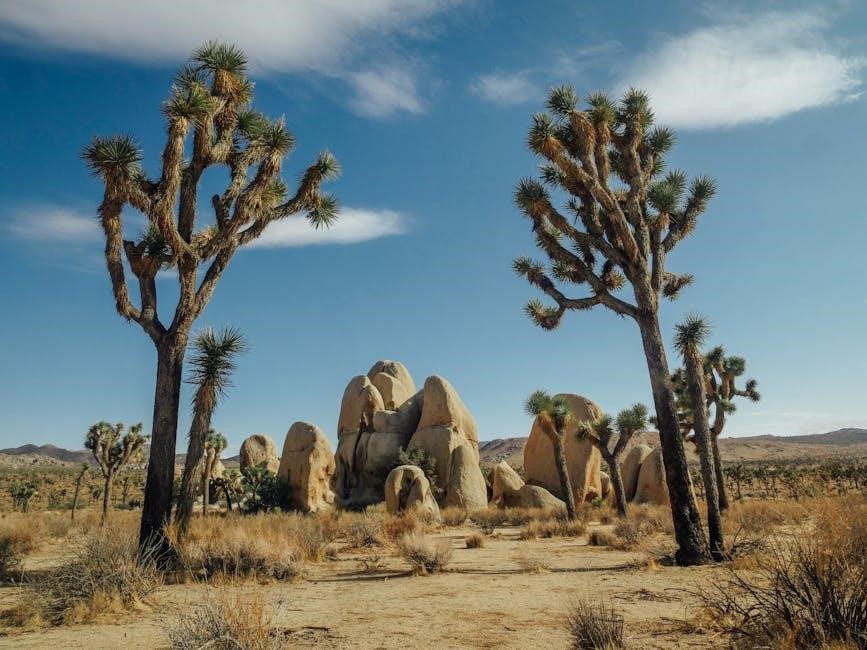
Joshua Tree National Park and the surrounding communities offer diverse lodging choices. Campgrounds within the park, like Hidden Valley, provide an immersive experience, though reservations are essential, especially during peak season. These offer a budget-friendly option and direct access to climbing areas.
For those preferring more comfort, hotels, motels, and vacation rentals are available in nearby towns like Joshua Tree and Twentynine Palms. These range from rustic lodges to modern amenities. Consider proximity to the park entrance and climbing areas when selecting accommodation. Booking in advance is highly recommended, particularly during popular climbing months.
Campgrounds
Joshua Tree National Park boasts several campgrounds, each offering a unique experience for climbers. Hidden Valley Campground is exceptionally popular due to its central location and proximity to numerous climbing areas, requiring reservations well in advance. Indian Cove Campground provides a more secluded setting, while Jumbo Rocks offers expansive views and larger sites.
Campgrounds typically feature basic amenities like picnic tables, fire rings, and pit toilets. Water availability can be limited, so carrying sufficient supplies is crucial. Be aware of desert wildlife and store food properly. Reservations are strongly advised, especially during peak season and weekends, through Recreation.gov.
Hotels and Rentals
For those preferring alternatives to camping, several hotels and vacation rentals surround Joshua Tree National Park. The town of Joshua Tree offers a range of lodging options, from budget-friendly motels to boutique hotels with unique desert aesthetics. Nearby Yucca Valley and Twentynine Palms also provide convenient accommodations.
Vacation rentals, available through platforms like Airbnb and VRBO, present a diverse selection of houses and cabins, often catering specifically to climbers with gear storage and outdoor spaces. Booking in advance is highly recommended, particularly during peak climbing seasons. Consider proximity to park entrances and climbing areas when selecting lodging.
Permits and Regulations
Currently, no permits are required for day-use climbing within Joshua Tree National Park. However, a park entrance pass is mandatory and can be purchased online or at entrance stations. These passes support park maintenance and conservation efforts. Backcountry camping requires a free permit, obtainable online or in person, and is subject to availability.
Park regulations emphasize responsible climbing practices, including minimizing impact on the fragile desert environment. Bolting new routes requires prior approval from the park authorities. Be aware of specific area closures due to nesting raptors or other sensitive ecological concerns. Always check the park’s website for the latest updates and regulations before your visit.
Leave No Trace Principles
Joshua Tree’s delicate desert ecosystem demands strict adherence to Leave No Trace principles. Pack out all trash, including food scraps and wrappers. Stay on established trails and climbing routes to avoid damaging vegetation. Minimize campfire impacts – consider using a stove instead. Respect wildlife, observing from a distance and never feeding animals.
Properly dispose of human waste by using designated restrooms or packing it out. Avoid disturbing cultural or historical sites. When building anchors, choose methods that minimize rock damage. Be considerate of other visitors, keeping noise levels down. Protecting this unique landscape ensures its enjoyment for future generations of climbers and explorers.
Navigation and Maps
Navigating Joshua Tree requires careful planning due to its vastness and limited trail markings. A detailed topographic map is essential, alongside a compass and GPS device. Familiarize yourself with key landmarks before venturing out. Digital mapping apps can be helpful, but always carry a physical map as a backup.
The Lost Horse loop trail, a popular hiking route, exemplifies the need for navigation skills. Understanding contour lines and elevation changes is crucial. Download offline maps before your trip, as cell service is unreliable. Consider purchasing a guidebook with route maps. Knowing your location and planned route is paramount for safety in this expansive park.
Water Sources and Hydration
Joshua Tree is a desert environment; adequate hydration is absolutely critical for climbers and hikers. There are extremely limited natural water sources within the park, and relying on them is dangerous. Always carry significantly more water than you anticipate needing – at least one gallon per person per day is recommended, potentially more during hotter months.
Electrolyte replacement is also vital, as sweating depletes essential minerals. Avoid sugary drinks, opting instead for water and electrolyte tablets or powders. Plan your routes to minimize exposure during peak heat. Be aware of the signs of dehydration – headache, dizziness, and fatigue – and address them immediately. Prioritize hydration for a safe and enjoyable experience.
First Aid and Emergency Procedures
Remote locations and desert hazards necessitate comprehensive first aid knowledge and preparedness. Carry a well-stocked first aid kit including supplies for treating cuts, abrasions, sprains, and heat exhaustion. Familiarize yourself with recognizing and treating common desert injuries, like dehydration and heatstroke.
Cell service is unreliable within Joshua Tree National Park. Inform someone of your climbing plans and expected return time. In an emergency, attempt to reach 911, but be prepared to self-rescue or rely on fellow climbers. Knowing basic wilderness first aid and CPR is highly recommended. Understand evacuation procedures and potential delays due to the park’s remoteness.
Local Climbing Shops
Joshua Tree boasts several excellent local climbing shops catering to all skill levels. These stores provide essential gear, including ropes, quickdraws, protection, and footwear. Knowledgeable staff can offer route recommendations, beta, and advice on current conditions within the park.
Beyond gear sales, many shops offer rental services for climbers visiting from out of town. They frequently host clinics and workshops covering topics like anchor building, crack climbing techniques, and desert safety. Supporting these local businesses ensures continued access to expertise and resources for the climbing community. Check for updated hours and locations before your visit.
Resources and Further Reading
Expanding your Joshua Tree climbing knowledge requires exploring diverse resources. AllClimb provides valuable guidebook information and news updates. Online forums and climbing websites offer current route conditions and beta from fellow climbers. Consider consulting detailed topographical maps, like those for the John Muir Trail, for broader park navigation.
For historical context, research Elvis Presley’s connection to the region and the cultural influences shaping Joshua Tree. Further reading on desert survival and Leave No Trace principles is crucial for responsible climbing. Remember to check for updated park regulations and permit requirements before your trip.
Joshua Tree Climbing Ethics
Preserving Joshua Tree’s fragile desert environment demands a strong ethical commitment from all climbers. Minimize impact by staying on established trails and avoiding disturbance to vegetation and wildlife. Practice responsible anchor building and removal, leaving no trace of your passage. Respect route developers’ vision and avoid altering existing climbs.
Be mindful of other climbers and share the crag respectfully. Support local climbing shops and guide services that promote ethical practices. Consider the historical context of the area, acknowledging its cultural significance. Upholding these principles ensures Joshua Tree remains a pristine climbing destination for generations.
Seasonal Climbing Considerations
Joshua Tree’s climate dictates climbing conditions; planning is crucial. Fall and spring offer ideal temperatures, but weekends can be crowded. Summers are intensely hot, demanding early starts, ample hydration, and avoidance of direct sun exposure. Winter brings chilly nights and potential for icy conditions on shaded routes.
Monsoon season (July-September) introduces unpredictable thunderstorms and slick rock. Check forecasts diligently. Wintry trails and campsites require appropriate gear, as noted in guide recommendations. Be prepared for temperature swings, even within a single day. Adjust plans based on prevailing conditions for a safe and enjoyable experience.